
Considering 3D areola tattooing in Sydney? See how realistic areola restoration can look and what to expect after mastectomy or breast reconstruction.
Does Areola Tattooing Look Real? Real Results from Sydney Clients
If you're considering a 3D areola tattoo in Sydney after mastectomy, breast reconstruction, or top surgery, the question you're probably asking is the most honest one: will it actually look real?
Not "will it be okay" — but will you look in the mirror and see something that feels like you again.
It's the right question to ask. And the answer, when the work is done well, is yes — genuinely, surprisingly yes.
This post shares real before and after results from clients at Aesthetic By Reese, and explains what goes into creating a result that looks natural.
Real Results: Before & After
These are real clients of Aesthetic By Reese. Both images are taken at the healed stage — 6–8 weeks after the final session — which is when the true, settled result is visible.
Client A — Areola Restoration After Top Surgery
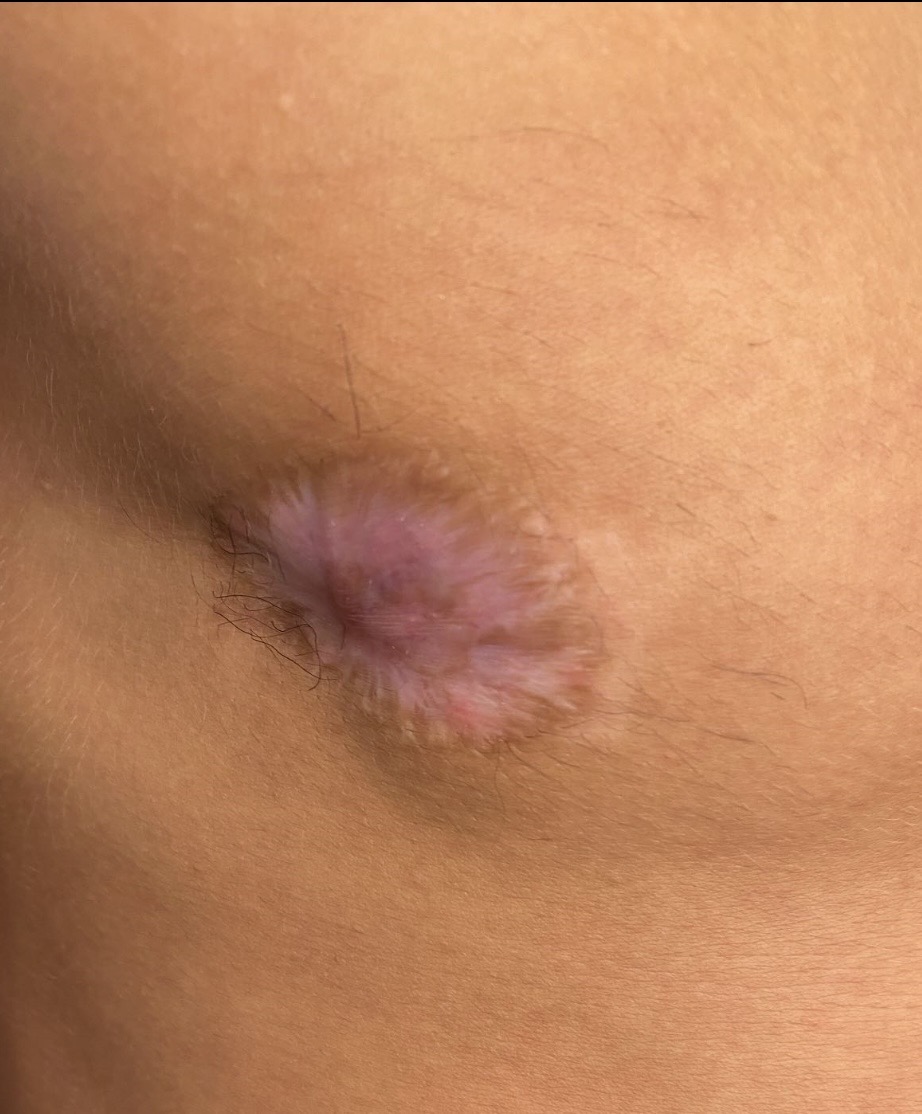 Before
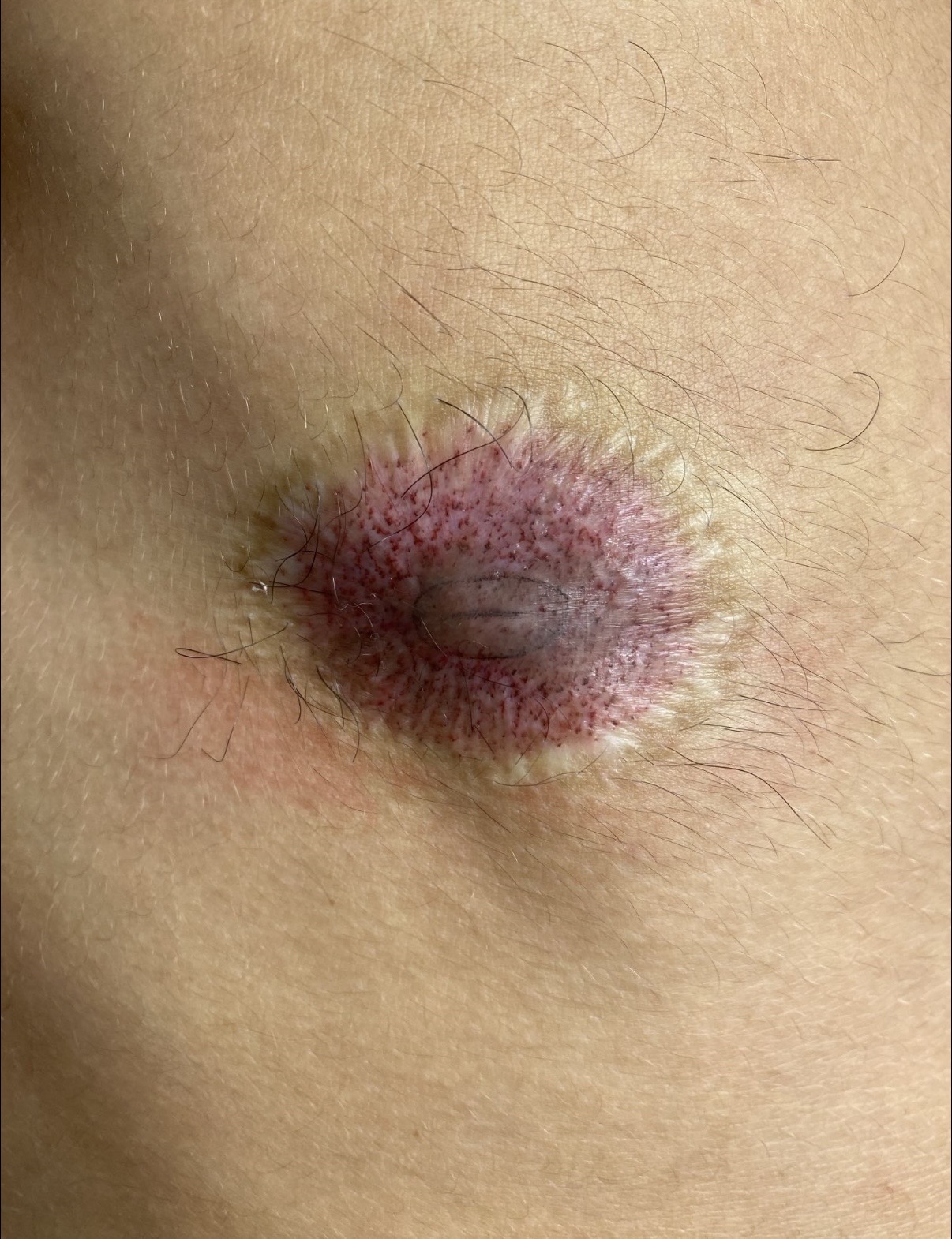 After
After
This client had gender-affirming top surgery. One side experienced partial nipple necrosis, leaving the areola significantly different in appearance to the other side. Using 3D shading and careful colour matching, the result was brought into balance — restoring symmetry and a natural appearance.
Client B — Areola Restoration After Breast Reconstruction
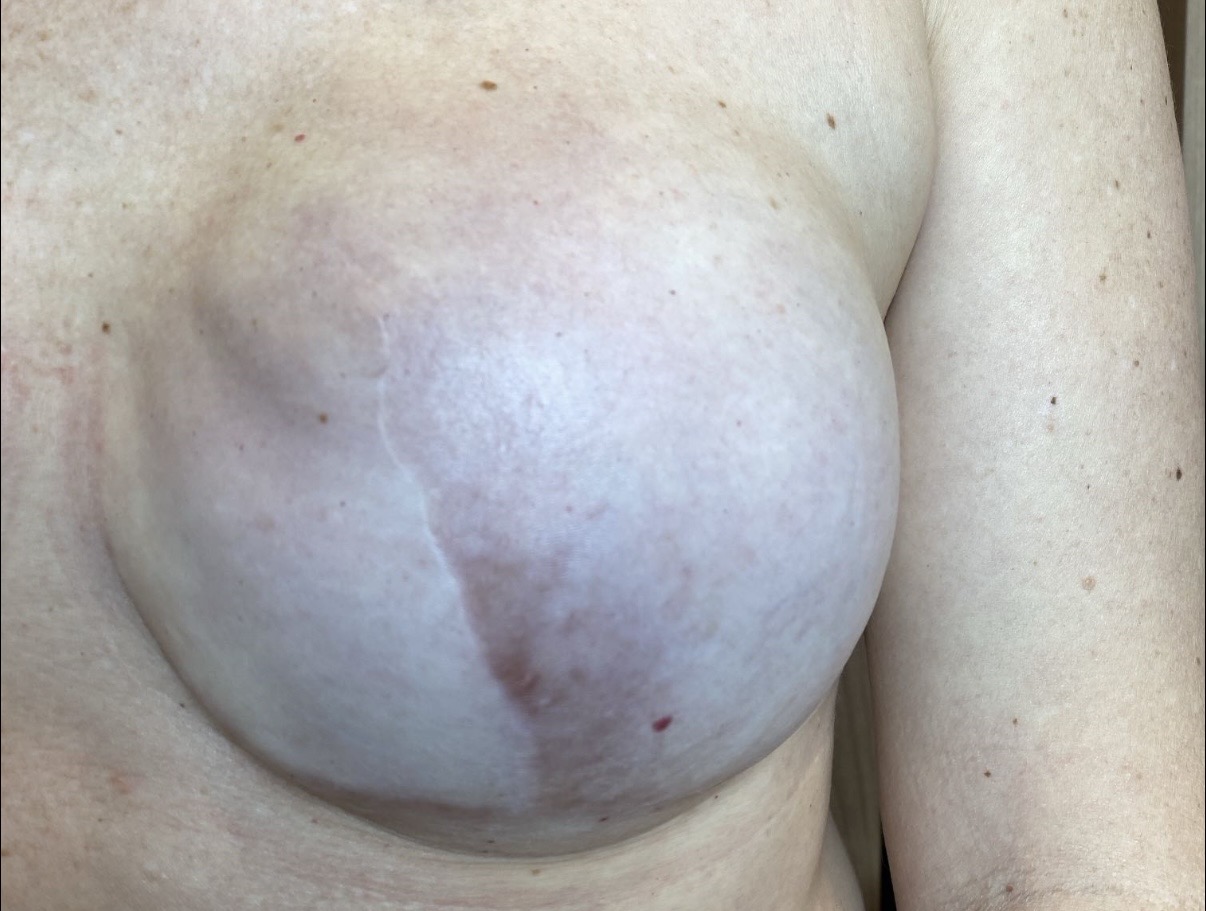 Before
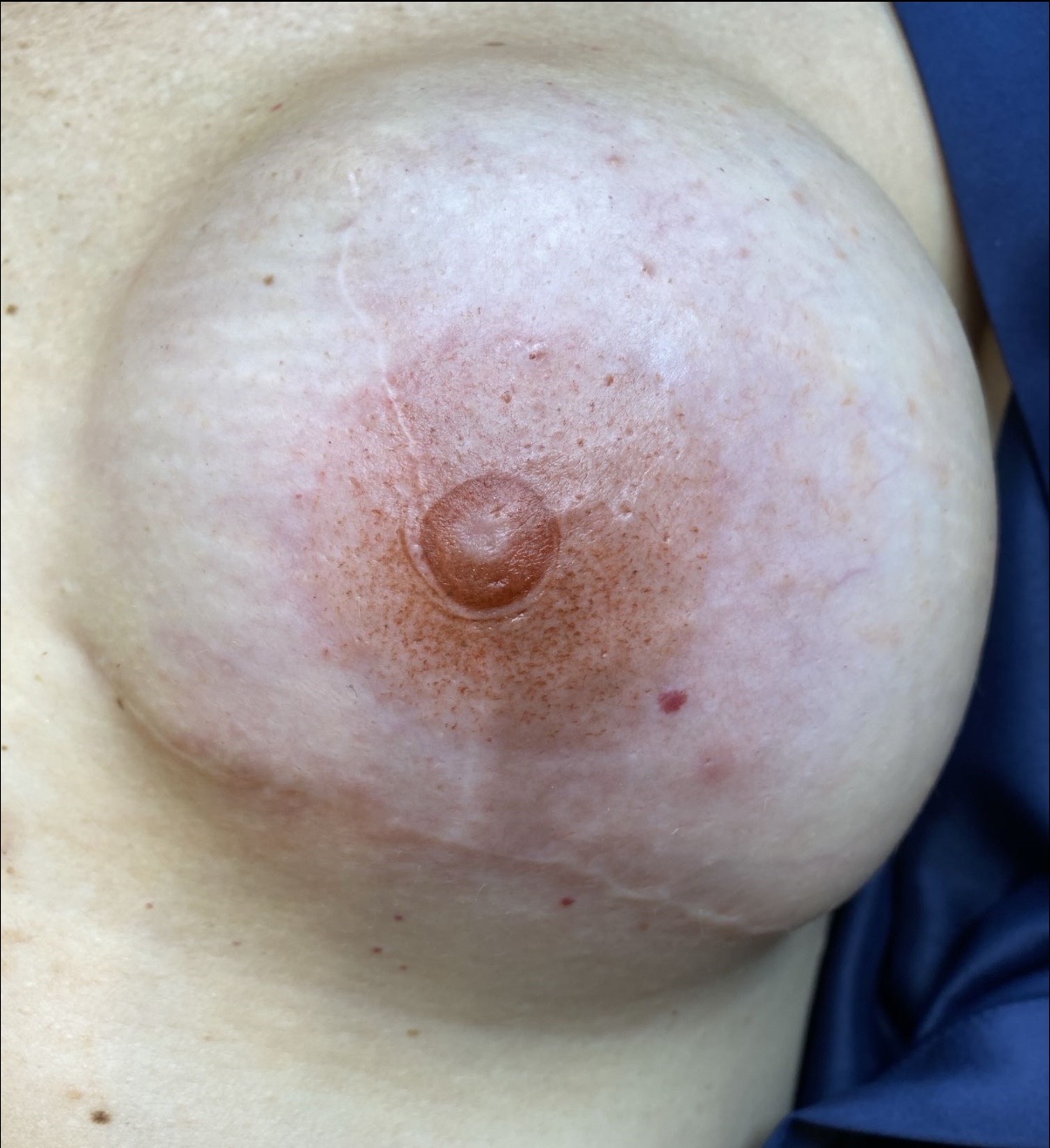 After
After
This client had breast reconstruction following the removal of a significant amount of breast tissue. The skin had been stretched thinly across the implant, and she was concerned that tattooing simply wouldn't take or look natural on such compromised skin. With a careful, adapted technique, we were able to achieve a beautiful, settled result — and she walked away with her confidence restored.
Would you like to understand what's possible for your specific situation?
Reserve Your Private ConsultationOr call us directly — 0421 816 816
What Is 3D Areola Tattooing?
Paramedical areola tattooing — also called 3D nipple tattooing, nipple restoration tattooing, or areola reconstruction tattooing — is a specialised cosmetic tattoo procedure that recreates the appearance of the nipple and areola after surgery.
The "3D" refers to the technique: using layered shading, shadow, and highlight to create the illusion of depth and projection on a flat or reconstructed surface. Done well, the result reads as dimensional — not as a flat circle of colour.
This is not the same as decorative body tattooing. It requires specific training in post-surgical skin, colour theory across a range of complexions, and the precise shading technique that makes results convincing.
What Makes an Areola Tattoo Look Realistic?
1. The Technique — 3D Shading
A flat ring of colour does not look like a nipple. What creates realism is layered shading — deeper tones at the outer edge fading inward, a concentrated centre, and carefully placed highlights that read as light catching a raised surface. This is the 3D effect, and it requires a practitioner specifically trained in it.
2. Colour Matching to Your Skin
No two people have the same skin tone — and the skin on a reconstructed breast may differ from skin elsewhere on the body. Accurate nipple tattoo colour matching requires custom pigment blending, an understanding of undertones, and experience across a wide range of complexions. For unilateral mastectomy clients, the goal is to match the natural side as closely as possible.
3. Understanding Your Skin's History
Skin that has been through mastectomy, reconstruction, radiation, or stretching holds pigment differently from unaffected skin. Scar tissue, thinned skin, and skin affected by radiation each require a specific approach. An experienced paramedical tattoo artist will assess your skin before the session and adjust their technique accordingly.
4. Healing
Results look different immediately after tattooing versus at the healed stage. Fresh pigment is always more intense. The true result appears at 4–6 weeks, once the skin has fully settled. A touch-up session at 6–8 weeks refines and locks in the final result.
Can Tattooing Work on Stretched or Damaged Skin?
This is one of the most common concerns we hear — and it's a legitimate one. Skin that has been stretched over an implant, thinned by tissue removal, or affected by radiation doesn't behave the same way as unaffected skin.
The short answer: yes, in most cases it can work — but it requires an artist with genuine experience in post-surgical skin. The technique needs to be adapted. Needle depth, pigment saturation, and the number of passes all need to be adjusted based on how the skin is responding in the moment.
Client B's result above is a direct example. Her skin was thin and stretched across the implant, and she had been concerned she might not be a good candidate. With an adapted approach, the result healed beautifully.
If you have concerns about your skin's suitability, the best thing to do is book a consultation. We'll look at your specific situation honestly — and if tattooing isn't right for you, we'll tell you that too.
How Close to "Real" Does It Actually Get?
For most clients: genuinely close. At everyday distances — getting dressed, in a change room, a partner seeing you — the result is typically indistinguishable from a natural areola.
Under very close inspection, in certain lighting, the flatness is apparent. But this matters far less than most clients expect it to. What they describe instead is something more significant: the first time looking in the mirror and feeling like themselves again.
Many clients find the appointment itself meaningful — the act of choosing the result, being in control of how it looks. After months or years of medical decisions happening to them, this one is theirs.
Who Is Areola Tattooing For?
At Aesthetic By Reese, we work with clients who have had:
- Mastectomy — with or without nipple preservation
- Breast reconstruction — implant-based or flap reconstruction (DIEP, TRAM, etc.)
- Surgical nipple reconstruction that has faded, lost colour, or healed unevenly
- Unilateral mastectomy — to match the natural side
- Top surgery — gender-affirming chest tattooing for trans and non-binary clients, including cases involving nipple necrosis or graft asymmetry
- Radiation treatment — with appropriate timing and assessment
- Thin or stretched skin — where other practitioners may have turned you away
Timing matters. We generally recommend waiting 6–12 months after your most recent surgery (longer after radiation) to ensure the skin is fully healed and stable. If you'd like to discuss your specific situation, call us on 0421 816 816.
What to Look for When Choosing an Artist in Sydney
Paramedical areola tattooing is a specialist skill. Not all cosmetic tattoo artists are trained in it, and quality of results varies significantly. When looking for a nipple tattoo artist in Sydney, ask:
- Do you specialise in paramedical / post-surgical tattooing?
- Can I see a portfolio showing healed results — not just fresh?
- Do you have experience with clients who have had radiation, reconstruction, or thin/stretched skin?
- What does your colour matching process look like?
- Is a touch-up session included or recommended?
At Aesthetic By Reese, we offer a private, unhurried consultation before any commitment — simply a conversation about your history, your goals, and what is genuinely achievable for your skin.
Frequently Asked Questions
Does areola tattooing look real?
Yes — when done by a trained paramedical specialist using 3D shading technique, the result looks natural and dimensional at everyday distances.
How long do results last?
Most clients find results last 3–5 years before a refresh is desired. Touch-ups are straightforward and quicker than the original session.
Does it hurt?
Many post-mastectomy and reconstruction clients have reduced sensitivity in the breast area. Topical numbing cream is applied before the session. Most people describe light pressure rather than pain.
How many sessions does it take?
Usually two — the initial session, and a touch-up 6–8 weeks later. The touch-up is where the final result is refined and locked in.
Can it work on stretched or thin skin?
In most cases, yes — with an adapted technique. A consultation is the best way to assess your specific situation.
Where are you located?
963 Pacific Hwy, Pymble NSW 2073 — upper north shore Sydney, close to Pymble station.
Ready to See What's Possible for You?
Every client's skin, history, and goals are different. The best place to start is a private consultation — no rush, no commitment, just an honest conversation about what areola tattooing could look like for you.
Private, confidential & no referral needed.
Prefer to talk first? Call us — 0421 816 816